
VIBURNUM tinus 'Purpureum'
<

>
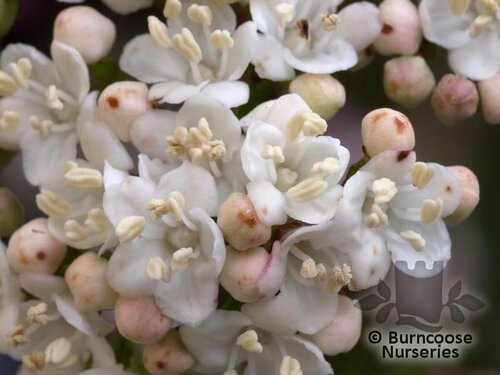
VIBURNUM tinus 'Purpureum'
Commonly known as Laurustinus
Young leaves tinged purple


(UK Delivery Only)


individually £15.00 each , 3+ £13.00 each
Full Plant Details - Sun/Soil & other attributes
-
Floweringlocal_floristJanlocal_floristFeblocal_floristMarlocal_floristAprlocal_floristMaylocal_floristJunlocal_floristJullocal_floristAuglocal_floristSeplocal_floristOctlocal_floristNovlocal_floristDec
-
BerriesThese plants have berries.
-
 Good to know
Flowers over a long period in late winter and early spring. Wildlife plant - insects
-
 Pests & Diseases
Aphids, viburnum beetle, honey fungus, leaf spot
-
 Place of origin
Mediterranean
-
EvergreenNarrowly ovate to oblong leaves, dark bronze-purple when young, to 10cm (4in) long.
-
 White
-
BorderSuitable for a large shrub border
-
Coastal / windswept
-
Cottage garden
-
Town garden
-
Fully hardy
-
Purple
-
 Entire
-
Oblong
-
Ovate
-
 Height
3m (10ft)
-
Spread
3m (10ft)
-
HedgeIdeal for hedging
-
Tall ShrubCompact, bushy shrub. Produces small flowers in flattened, terminal cymes to 10cm (4in) across followed by dark, blue-black fruit 6mm (¼in) long
-
 Pruning group 1
Suitable for: Deciduous and evergreen trees, and some deciduous shrubs.
Pruning: Minimal pruning required. Prune wayward or crossing branches to maintain a healthy framework.
When: When dormant in the late winter/early spring. Some in the summer/autumn to prevent bleeding of sap.
-
 Hardy - average winter
Hardy through most of the UK apart from inland valleys, at altitude and central/northerly locations. May suffer foliage damage and stem dieback in harsh winters in cold gardens. Plant can withstand temperatures down to -10°C (14°F)Borderline
-
Autumn Seasonal Interest
-
Spring Seasonal Interest
-
Summer Seasonal Interest
-
Winter Seasonal Interest
-
Fertile moist well-drained soil
-
 Full sun
-
 Partial shade
-
 Bee friendly
-
 Bird friendly
-
Rabbit Resistant
-
Mature Size3m (10ft)
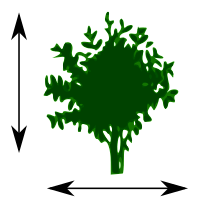

3m (10ft)
View Planting Tips and Care Advice
Viburnum - Growing Guide