
TILIA kiusiana
<




>
TILIA kiusiana
Commonly known as Lime

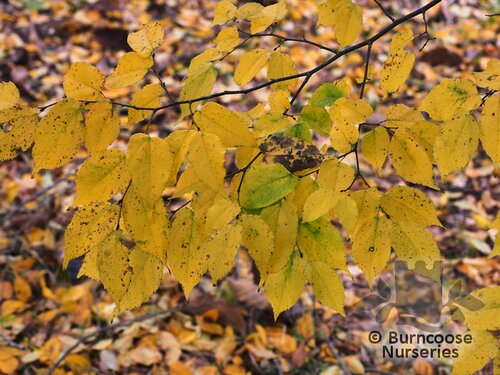
Small toothed ovate leaves. A distinct species which flowers late in the summer and is a magnet for bees
Grafted


£35.00 each
Full Plant Details - Sun/Soil & other attributes
-
Floweringlocal_floristJanlocal_floristFeblocal_floristMarlocal_floristAprlocal_floristMaylocal_floristJunlocal_floristJullocal_floristAuglocal_floristSeplocal_floristOctlocal_floristNovlocal_floristDec
-
 Good to know
One of the last trees to flower. Wildlife plant - insects. An unusual lime rare in gardens
-
 Pests & Diseases
Gall mites on leaves, scale insects on bark, aphids (producing sticky honeydew), honey fungus, Phytophthora root rot
-
 Place of origin
Central and southern Japan
-
DeciduousLight green, birch-like leaves to 8cm (3in) long and 3cm (1¼in) wide, turning yellow before falling in autumn
-
 White
Creamy white
-
 Cup-shaped
-
Fully hardy
-
 Dentate
-
Ovate
-
 Height
5m (16ft)
-
Spread
5m (16ft)
-
Tall ShrubGrows into a small, densely branched tree. Pendulous flowers
-
Tree
-
 Pruning group 1
Suitable for: Deciduous and evergreen trees, and some deciduous shrubs.
Pruning: Minimal pruning required. Prune wayward or crossing branches to maintain a healthy framework.
When: When dormant in the late winter/early spring. Some in the summer/autumn to prevent bleeding of sap.
-
 Hardy - cold winter
Hardy in most places throughout the UK even in severe winters. May not withstand open/exposed sites or central/northern locations. Plant can withstand temperatures down to -15°C (5°F)
-
Scented flowers
-
Autumn Seasonal Interest
-
Fertile moist well-drained soil
-
Neutral to alkaline soil
-
 Full sun
Avoid very dry conditions.
-
 Partial shade
-
 Bee friendly
-
Mature Size5m (16ft)
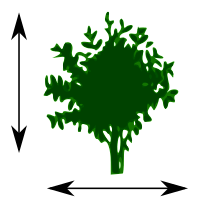

5m (16ft)
View Planting Tips and Care Advice
Tilia - Growing Guide
View Planting Combinations