Plants by mail order since 1984, over 4100 plants online today
Nursery & Gardens open: Mon - Sat 8:30 - 17:00 & Sun 10:00 - 16:00
Pop up café: open weather dependent
- Shop Now
- Burncoose Specialities
- This Month
- Offers & Promotions
- RHS Chelsea Flower Show 2024
- 40 years at Burncoose
- Engage With Us
- Information, Help & Advice
- About Us & Our Services
- Terms & Conditions
- Log In / Register

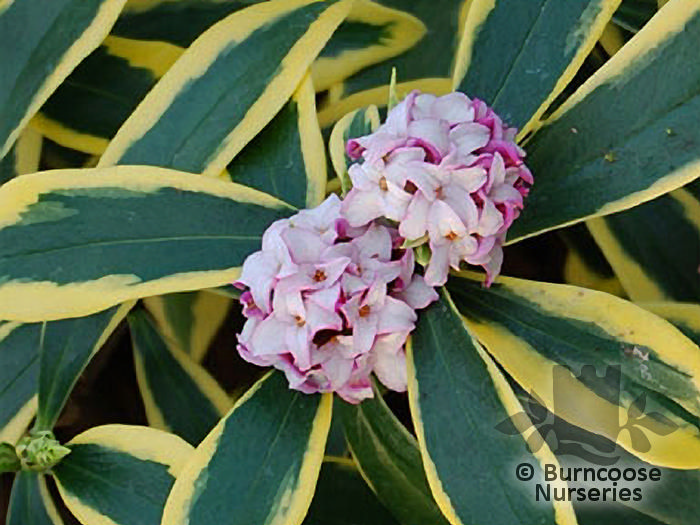

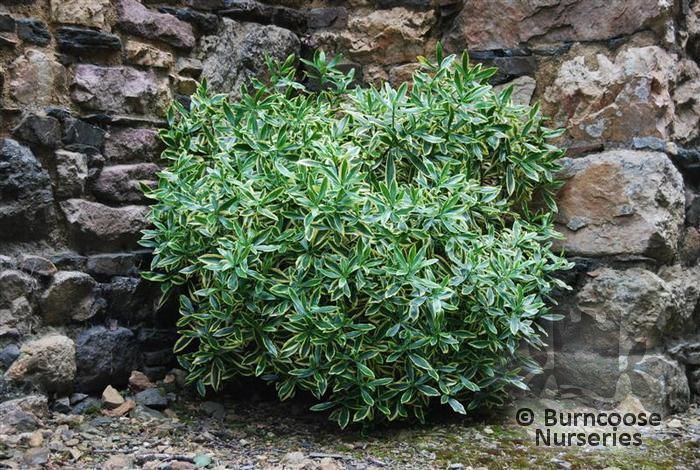
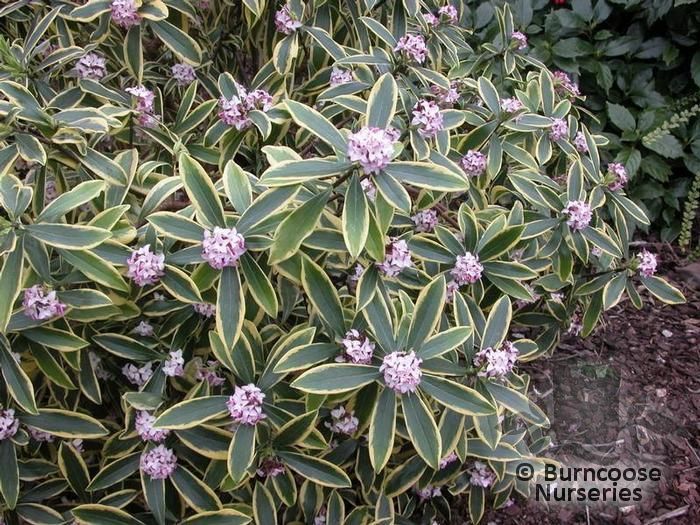





DAPHNE odora 'Marianni'
Commonly known as Winter daphne
('Rogbret'). - green leaves with broad golden yellow margins. Very fragrant tubular pink flowers in late winter, early spring
Further Reading....
-
Evergreenleathery, glossy leaves to 8cm (3in) long
-
 Shades of pinkAll shades of pink through to Carmine (red)
 -
 Height1.5m (5ft)
 -
Spread1.5m (5ft)
-
Medium shrubTypically grow to around 4-6 feet in heightRounded shrub. Flowers, 1.5cm (½in) across in terminal or axillary clusters of 10-15 or more.
-
 Hardy - average winterHardy through most of the UK apart from inland valleys, at altitude and central/northerly locations. May suffer foliage damage and stem dieback in harsh winters in cold gardens. Plant can withstand temperatures down to -10°C (14°F)Borderline
 -
 Full sun
 -
 Partial shade
DAPHNE odora 'Marianni'
- Details
- Mature Size
- Tips and Advice
- Goes Well With
- Planting Combinations
- Other Suggestions
- See Also...
-
Additional Features
 Good to knowAll daphnes resent transplanting. Attractive to bees and other insects
 Pests & DiseasesAphids, leaf spot, grey mould(Botrytis), viruses
 Place of originChina, Japan
 -
Flower ShapeTubular
-
Garden Location/ConditionsBorderSuitable for a shrub borderCottage gardenTown garden
-
HardinessFully hardyBorderline
-
Leaf margin
 Entire
(see photos above) -
Leaf shape
Oblanceolate
(see photos above) -
Pruning group
 Pruning group 1Suitable for: Deciduous and evergreen trees, and some deciduous shrubs.
Pruning: Minimal pruning required. Prune wayward or crossing branches to maintain a healthy framework.
When: When dormant in the late winter/early spring. Some in the summer/autumn to prevent bleeding of sap.
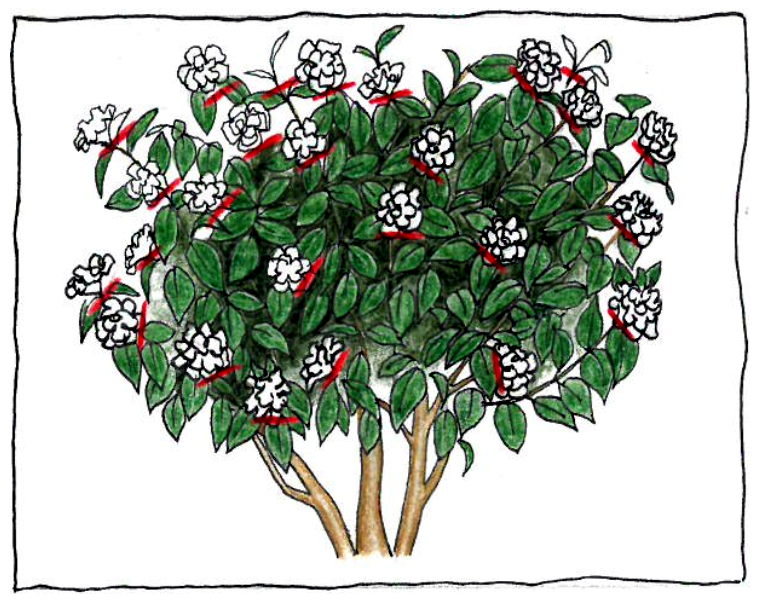
Pruning group 5Suitable for: Evergreen shrubs that require minimal pruning.
Action: Trim or lightly cut back shoots that spoil symmetry. Deadhead regularly.
When: Annually after flowering.
-
Scented PlantsScented flowersVery fragrant
-
Seasonal InterestAutumnSpringSummerWinter
-
Soil ConditionsFertile well drained soilHumus-rich but not dry. Mulch to keep roots coolNeutral to acid soilNeutral to alkaline soil
-
Toxic - Category B - CAUTION
 Skin irritantPeople and pets, i.e. cats, dogs, rabbits, rodents
Toxic if eatenPeople and pets, i.e. cats, dogs, rabbits, rodents
Skin irritantPeople and pets, i.e. cats, dogs, rabbits, rodents
Toxic if eatenPeople and pets, i.e. cats, dogs, rabbits, rodents -
Wildlife
 Bee friendlyRabbit Resistant
Jan
Feb
Mar
Apr
May
Jun
Jul
Aug
Sep
Oct
Nov
Dec
Cold weather damage to evergreen plants
Daphne - Care Guide
|
1.5m (5ft)
|

|

|
|
1.5m (5ft) |


Useful extras...

Fertilisers & Feeds - Vitax
Q4 Pelleted Fertiliser
A useful fertiliser suitable for use on a wide variety of plants. Q4 provides all the nutrients and trace elements essential for vigorous growth, abundant flowering and ripening of fruit.
3 options from £6.00
Fertilisers & Feeds - Empathy
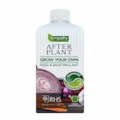
Afterplant - Grow Your Own
AFTER PLANT GROW YOUR OWN seaweed is ready to use liquid concentrate that was specially formulated be used on all edible plants.
Only £8.00

Fertilisers & Feeds - Empathy
Afterplant - Tomatoes
AFTER PLANT TOMATO FEED Liquid Concentrate with Bio stimulant is a high potash liquid concentrate containing seaweed extract, plant derived amino acids and other nutrients specifically formulated to benefit tomatoes and greenhouse plants.
Only £8.00

Fertilisers & Feeds - Empathy
Rootgrow mycorrhizal fungi
Recommended by the RHS. Contains Rootgrow™ mycorrhizal fungi. Suitable for all trees and shrubs (except rhododendrons, azaleas, heathers, cranberries and blueberries)
3 options from £3.00

Fertilisers & Feeds - Empathy
Rootgrow Ericoid mycorrhizal fungi
This specially adapted Rootgrow™ mycorrhizal fungi will boost the growth of acid-loving plants like rhododendrons, azaleas, heathers and blueberries.
It contains ericoid and arbuscular mycorrhizal fungi, which are found in poor acidic soils where ericaceous plants naturally grow.
Only £7.50
Fertilisers & Feeds - Empathy
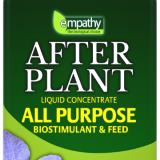
All-purpose Seaweed Stimulant
All-purpose organic concentrated seaweed feed that is a ready to use, derived from sustainable harvested kelp, that can be used on all outdoor and indoor plants, except acid loving plants.
Perfect used in conjunction with Rootgrow™.
Only £7.50
Share this page