Plants by mail order since 1984, over 4100 plants online today
Nursery & Gardens open: Mon - Sat 8:30 - 17:00 & Sun 10:00 - 16:00
Pop up café: open weather dependent
- Shop Now
- Burncoose Specialities
- This Month
- Offers & Promotions
- RHS Chelsea Flower Show 2024
- 40 years at Burncoose
- Engage With Us
- Information, Help & Advice
- About Us & Our Services
- Terms & Conditions
- Log In / Register



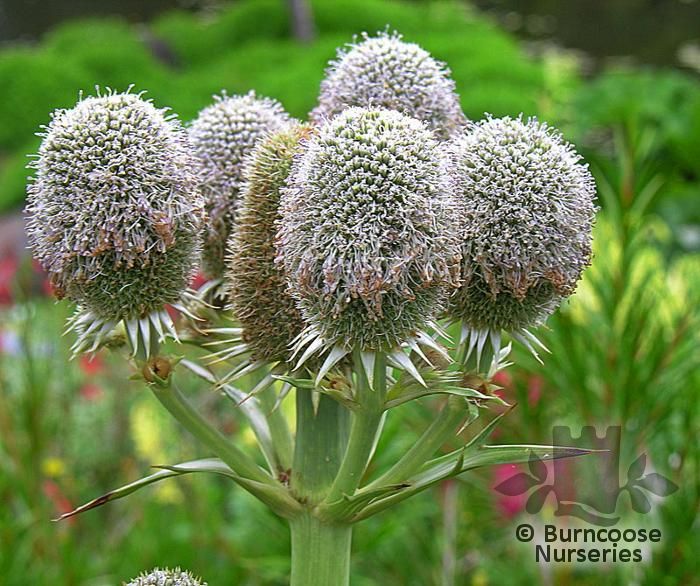
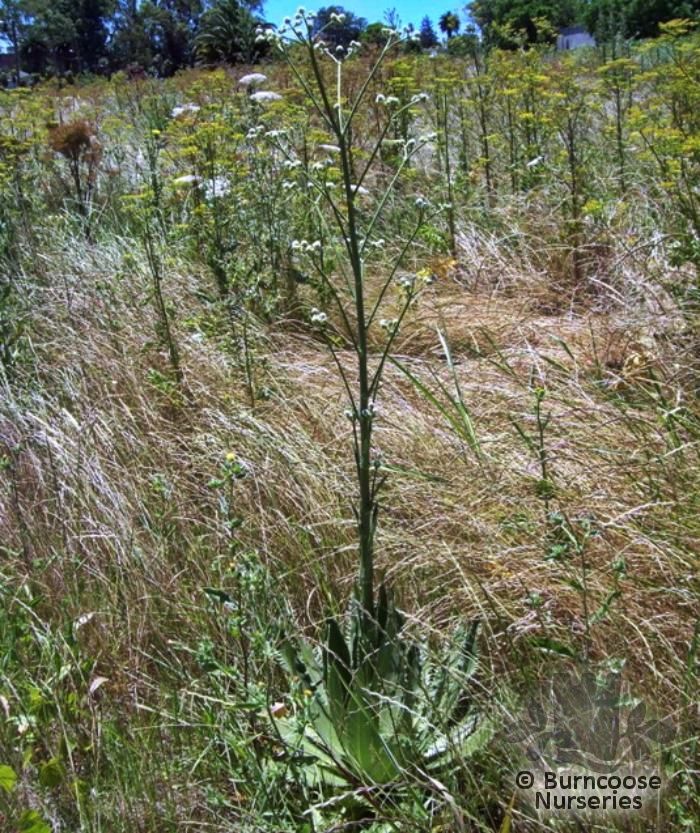

ERYNGIUM serra
Commonly known as Chilean sea holly, Eryngo
Small green-white flowers
-
EvergreenPineapple-like, saw-toothed strap-shaped leaves in rosettes
-
GreenGreen-white
-
 Height1.5m (5ft)
 -
Spread1m (39in)
-
HerbaceousEarly in the year, typically January till end of March, herbaceous plants might be supplied in 9cm pots to ensure timely despatch.Clump-forming perennial. Massed heads of grape-sized, spiky flowers
-
 Hardy - average winterHardy through most of the UK apart from inland valleys, at altitude and central/northerly locations. May suffer foliage damage and stem dieback in harsh winters in cold gardens. Plant can withstand temperatures down to -10°C (14°F)
 -
 Full sunProtect from winter wet
ERYNGIUM serra
-
Additional Features
 Good to knowWildlife plant - nectar and pollen for insects. Suitable for drying and makes an excellent cut flower
 Pests & DiseasesRoot rot, slugs, snails, powdery mildew
 Place of originChile
 -
Garden Location/ConditionsBorderSuits a mixed or herbaceous border
-
HardinessFully hardy
-
Seasonal InterestAutumnSpringSummerWinter
-
Soil ConditionsWell drained, dry, poor to moderately fertile soil
-
Wildlife
 Bee friendlyButterfly friendlyRabbit Resistant
|
1.5m (5ft)
|

|

|
|
1m (39in) |


Useful extras...

Fertilisers & Feeds - Vitax
Q4 Pelleted Fertiliser
A useful fertiliser suitable for use on a wide variety of plants. Q4 provides all the nutrients and trace elements essential for vigorous growth, abundant flowering and ripening of fruit.
3 options from £6.00
Fertilisers & Feeds - Empathy
Afterplant - Grow Your Own
AFTER PLANT GROW YOUR OWN seaweed is ready to use liquid concentrate that was specially formulated be used on all edible plants.
Only £8.00
Fertilisers & Feeds - Empathy
Afterplant - Tomatoes
AFTER PLANT TOMATO FEED Liquid Concentrate with Bio stimulant is a high potash liquid concentrate containing seaweed extract, plant derived amino acids and other nutrients specifically formulated to benefit tomatoes and greenhouse plants.
Only £8.00
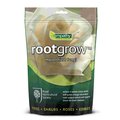
Fertilisers & Feeds - Empathy
Rootgrow mycorrhizal fungi
Recommended by the RHS. Contains Rootgrow™ mycorrhizal fungi. Suitable for all trees and shrubs (except rhododendrons, azaleas, heathers, cranberries and blueberries)
3 options from £3.00
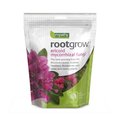
Fertilisers & Feeds - Empathy
Rootgrow Ericoid mycorrhizal fungi
This specially adapted Rootgrow™ mycorrhizal fungi will boost the growth of acid-loving plants like rhododendrons, azaleas, heathers and blueberries.
It contains ericoid and arbuscular mycorrhizal fungi, which are found in poor acidic soils where ericaceous plants naturally grow.
Only £7.50
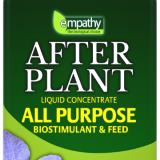
Fertilisers & Feeds - Empathy
All-purpose Seaweed Stimulant
All-purpose organic concentrated seaweed feed that is a ready to use, derived from sustainable harvested kelp, that can be used on all outdoor and indoor plants, except acid loving plants.
Perfect used in conjunction with Rootgrow™.
Only £7.50
Share this page