
HEATHERS Erica




HEATHERS Erica
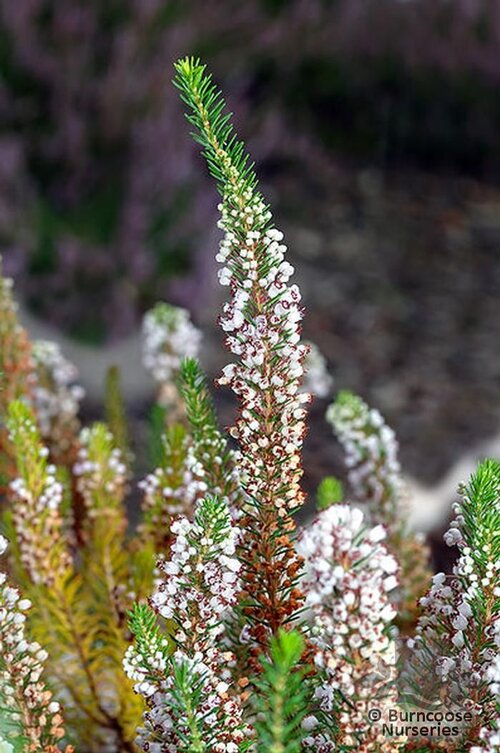
Commonly known as Alpine heath, Winter heath
A shrub to bring a moorland character to your garden.
Genus of more than 800 species of evergreen trees, shrubs and subshrubs from a variety of habitats from wet moorland to dry heathland in Europe, western Asia, the Arabian Peninsula, northern Africa, Macaronesia, montane habitats in tropical Africa and especially temperate southern Africa (Cape heaths). They often dominate heathland and moorland and this is mirrored in miniature with their ground-covering characteristics in garden planting.
E.carnea, Alpine or Winter heath flowers from winter to mid spring, cinerea, bell heather from early summer to early autumn, vagans, Cornish heath, from midsummer to mid-autumn and x darleyensis, a particularly useful groundcover, from late autumn through winter to early spring. All are an excellent source of nectar for bees.
Native ericas are E. ciliaris, Dorset heath found also in Devon, Cornwall and the west of Ireland, E. cinerea, Bell heather, common on the drier areas of moorland and tetralix, Cross-leaved heath. common except for the Midlands. E. vagans, in the wild, is found on the Lizard peninsula in Cornwall.
Full Plant Details - Sun/Soil & other attributes
-
 Pests & Diseases
Fungal attack from Phytophthora root rot, Pythium, and Rhizoctonia in warm, wet conditions.
Pests & Diseases
Fungal attack from Phytophthora root rot, Pythium, and Rhizoctonia in warm, wet conditions. -
 Place of origin
Garden origin (Germany).
Place of origin
Garden origin (Germany). -
Resistant to honey fungusThese plants have little or few problems with honey fungus.
-
EvergreenBright green foliage.
-
 White
White
-
Fully hardy
-
 Height
15cm (6in)
Height
15cm (6in) -
Spread
45cm (18in)
-
Ground coverThese plants are typically low growing and spread quickly to inhibit weed growth on areas of bare soilErect but spreading habit.
-
 Pruning group 7
Suitable for: Evergreen shrubs that flower on previous year's growth in Spring, or current year's growth in late Summer/Autumn.
Pruning group 7
Suitable for: Evergreen shrubs that flower on previous year's growth in Spring, or current year's growth in late Summer/Autumn.
Action: Cut back flowered shoots to within 1 inch of previous year's growth.
When: Annually after flowering or in Spring if flowering on current year's growth.
-
 Very hardy
Hardy in the severest continental climates including exposed upland locations in the UK. Plant can withstand temperatures < -20 (-4°F)
Very hardy
Hardy in the severest continental climates including exposed upland locations in the UK. Plant can withstand temperatures < -20 (-4°F) -
Winter Seasonal Interest
-
Acid / ericaceous lovingWill tolerate mildly alkaline conditions
-
Fertile well drained soilOpen site
-
 Full sun
-
 Bee friendly
View Planting Tips and Care Advice
View Customers Also Bought


View Planting Combinations
