
BERBERIS
<


>
BERBERIS
Commonly known as Barberry
Genus of about 450 evergreen and deciduous shrubs from all parts of the northern hemishere, northern and tropical Africa and South America differing widely in form and habit from dwarf species to large garden or hedging shrubs and usually with spiny branches or spine-tipped leaves.
Barberry fruit, rich in vitamin C was used in the past to make jellies, jams and pickles.
B. vulgaris is naturalised in the UK and was much-despised and destroyed in the 19th century as it is a secondary host of wheat rust.
It is being planted to safeguard the rare Barberry Carpet moth, its sole food plant.
Full Plant Details - Sun/Soil & other attributes
-
 Pests & Diseases
Aphids, powdery mildew.
Pests & Diseases
Aphids, powdery mildew. -
 Place of origin
Garden origin.
Place of origin
Garden origin. -
EvergreenLinear to narrowly elliptic, glossy, blue-green leaves to 2.5cm (1in) long.
-
 Yellow
Deep-yellow.
Yellow
Deep-yellow. -
Fully hardy
-
 Height
2m (6ft)
Height
2m (6ft) -
Spread
2.5m(8ft)
-
Medium shrubTypically grow to around 4-6 feet in heightWide-growing shrub with thin, arching branches. Produces flowers to 1cm (½in) across in short, clustered racemes of 7-14.
-
 Hardy - cold winter
Hardy in most places throughout the UK even in severe winters. May not withstand open/exposed sites or central/northern locations. Plant can withstand temperatures down to -15°C (5°F)
Hardy - cold winter
Hardy in most places throughout the UK even in severe winters. May not withstand open/exposed sites or central/northern locations. Plant can withstand temperatures down to -15°C (5°F) -
Tolerates allAny well-drained soil.
-
 Full sun
-
 Partial shade
-
Mature Size2m (6ft)
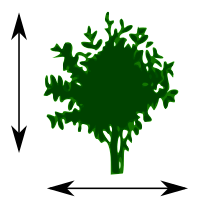

2.5m(8ft)
View Planting Tips and Care Advice
Berberis - Care Guide
Hedging - Box Alternatives


