
CAMASSIA leichtlinii 'Sacajawea'
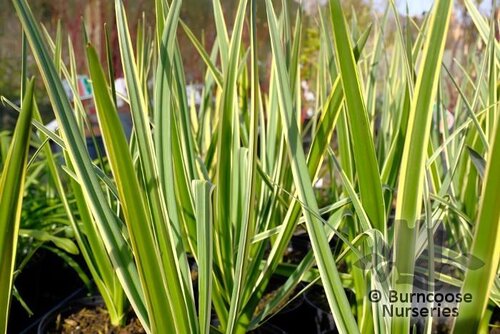

CAMASSIA leichtlinii 'Sacajawea'
Commonly known as quamash

Leaves edged with cream, cream-white flowers.


£14.00 , 3+ £12.00
Full Plant Details - Sun/Soil & other attributes
-
Floweringlocal_floristJanlocal_floristFeblocal_floristMarlocal_floristAprlocal_floristMaylocal_floristJunlocal_floristJullocal_floristAuglocal_floristSeplocal_floristOctlocal_floristNovlocal_floristDec
-
 Good to know
An upright perennial which is clump forming
Good to know
An upright perennial which is clump forming -
 Pests & Diseases
Generally pest and disease free
Pests & Diseases
Generally pest and disease free -
 Cream
Creamy white
Cream
Creamy white -
Spikes
-
 Star-shaped
-
Coastal / windswept
-
Cottage garden
-
Suitable for small gardens
-
Town garden
-
Gold variegated
-
 Height
0.5–1 metres
Height
0.5–1 metres -
Spread
0.1–0.5 metres
-
Bulb/Corm or rhizomatous perennial
-
 Hardy - average winter
Hardy through most of the UK apart from inland valleys, at altitude and central/northerly locations. May suffer foliage damage and stem dieback in harsh winters in cold gardens. Plant can withstand temperatures down to -10°C (14°F)
Hardy - average winter
Hardy through most of the UK apart from inland valleys, at altitude and central/northerly locations. May suffer foliage damage and stem dieback in harsh winters in cold gardens. Plant can withstand temperatures down to -10°C (14°F) -
Spring Seasonal Interest
-
Summer Seasonal Interest
-
Fertile moist well-drained soil
-
Tolerates all
-
 Full sun
-
 Partial shade
-
 harmful if eaten
View Detailed Plant Description