
PHORMIUM
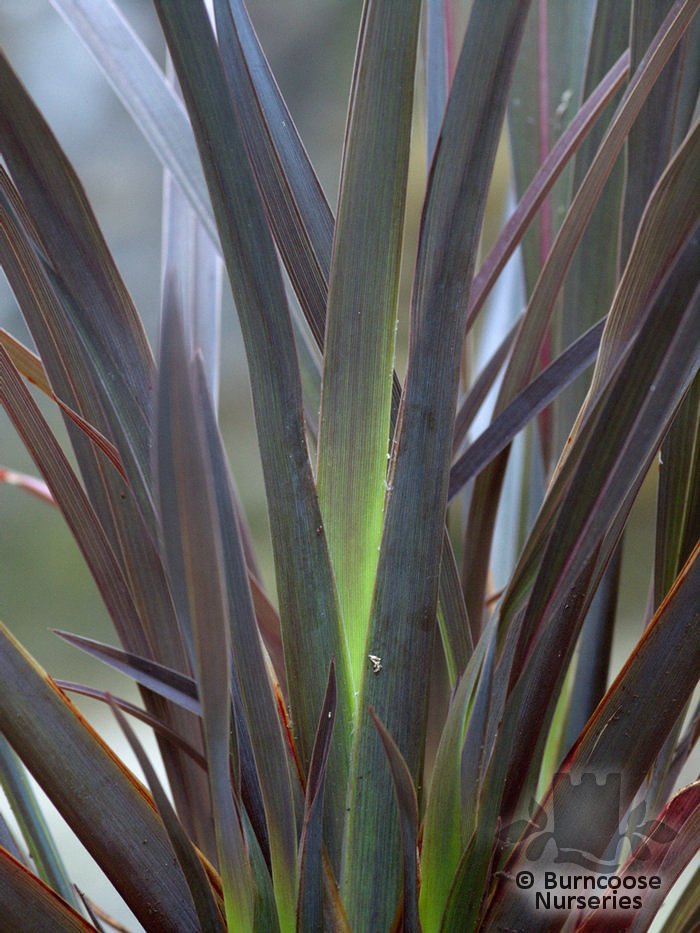
<




>
PHORMIUM
Commonly known as New Zealand flax
These architectural plants can be grown in tubs and make excellent features on the patio. They prefer a hot dry site and are perfectly hardy if sheltered from strong winds. In colder areas they need to be given some mulch or other protection around the base of the plant in winter.
Genus of two species of evergreen perennials P. cookianum (Mountain flax) and P. tenax (New Zealand flax).
They are found in scrub and swamps and on hillsides and riverbanks in areas ranging from coasts to mountains in New Zealand.
The flax label originates from the Cook expedition where the native popuation wore garments similar to linens (made from flax).
An industry was proposed for the Scillies in the late 1800s, probably for rope, but nothing came of it. Naturalised plants of P. tenax can be found all over the Isles.
Full Plant Details - Sun/Soil & other attributes
-
Architectural interest
-
 Good to know
P. cookianum subsp. hookeri 'Cream Delight'. All-year-round colour and flower spikes in summer
Good to know
P. cookianum subsp. hookeri 'Cream Delight'. All-year-round colour and flower spikes in summer -
 Pests & Diseases
Mealybugs.
Pests & Diseases
Mealybugs. -
 Place of origin
Garden origin.
Place of origin
Garden origin. -
Resistant to honey fungusThese plants have little or few problems with honey fungus.
-
Evergreen
-
Australian / New Zealand
-
BorderSuitable for a shrub border
-
Coastal / windsweptIdeal for a coastal garden
-
Fully hardy
-
 Entire
-
Linear
-
 Height
1.5m (5ft)
Height
1.5m (5ft) -
Spread
75cm (30in)
-
Medium shrubTypically grow to around 4-6 feet in heightClump-forming perennial.
-
 Hardy - average winter
Hardy through most of the UK apart from inland valleys, at altitude and central/northerly locations. May suffer foliage damage and stem dieback in harsh winters in cold gardens. Plant can withstand temperatures down to -10°C (14°F)
Hardy - average winter
Hardy through most of the UK apart from inland valleys, at altitude and central/northerly locations. May suffer foliage damage and stem dieback in harsh winters in cold gardens. Plant can withstand temperatures down to -10°C (14°F) -
Autumn Seasonal Interest
-
Spring Seasonal Interest
-
Summer Seasonal Interest
-
Winter Seasonal Interest
-
Fertile moist well-drained soil
-
 Full sun
For best leaf colour.
Full sun
For best leaf colour. -
 Partial shade
Tolerates partial shade.
Partial shade
Tolerates partial shade. -
Rabbit Resistant
-
Mature Size1.5m (5ft)


75cm (30in)
View Planting Tips and Care Advice
Phormiums - Care Guide


