
ACONITUM
<




>
ACONITUM
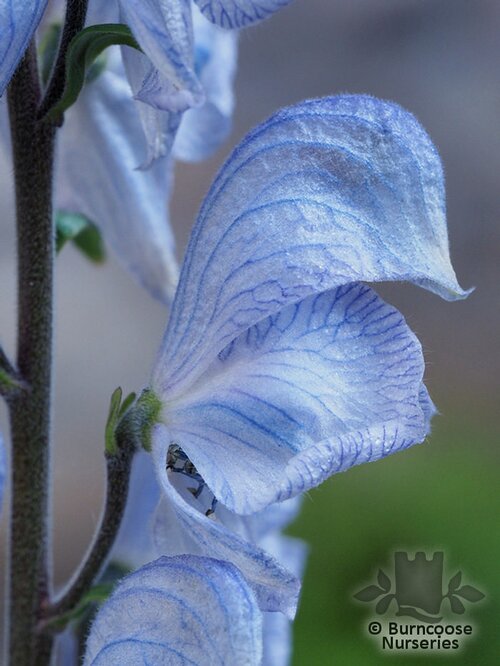
Commonly known as Monkshood
Genus of 100 species of perennials and biennials mainly from mountainous grassland or scrub in the northern hemisphere.
Suitable for cooler conditions they make good subjects for a woodland garden.Twining species can be grown through shrubs for support. Taller aconites require staking.
Plants are highly toxic and contact with foliage can irritate the skin.
It is represented in the UK by the native A.napellus, Monkshood, from the shape of the sepals.
Full Plant Details - Sun/Soil & other attributes
-
 Pests & Diseases
Aphids, fungal stem rot, Verticillium wilt
Pests & Diseases
Aphids, fungal stem rot, Verticillium wilt -
 Place of origin
Garden origin
Place of origin
Garden origin -
 Blue
Mid- to dark blue
Blue
Mid- to dark blue -
RacemesMany-branched, dense racemes
-
Border
-
Cottage garden
-
Fully hardy
-
 Height
1.5m (5ft)
Height
1.5m (5ft) -
Spread
30cm (12in)
-
HerbaceousErect perennial with rounded, 5- to 7-lobed leaves
-
 Very hardy
Hardy in the severest continental climates including exposed upland locations in the UK. Plant can withstand temperatures < -20 (-4°F)
Very hardy
Hardy in the severest continental climates including exposed upland locations in the UK. Plant can withstand temperatures < -20 (-4°F) -
Autumn Seasonal Interest
-
Summer Seasonal Interest
-
Fertile moist well-drained soil
-
 Full sun
Will tolerate full sun where soils remain moist
Full sun
Will tolerate full sun where soils remain moist -
 Partial shade
-
 harmful via skin
People and pets, i.e. cats, dogs, rabbits, rodents
harmful via skin
People and pets, i.e. cats, dogs, rabbits, rodents -
toxic if eaten
People and pets, i.e. cats, dogs, rabbits, rodents
-
Rabbit Resistant
-
Mature Size1.5m (5ft)
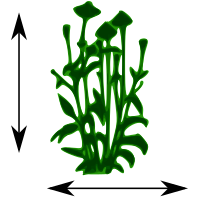

30cm (12in)
View Planting Tips and Care Advice
Aconitum - Growing Guide


View Planting Combinations
