
BROUSSONETIA papyrifera
<

>
BROUSSONETIA papyrifera
Commonly known as Paper mulberry

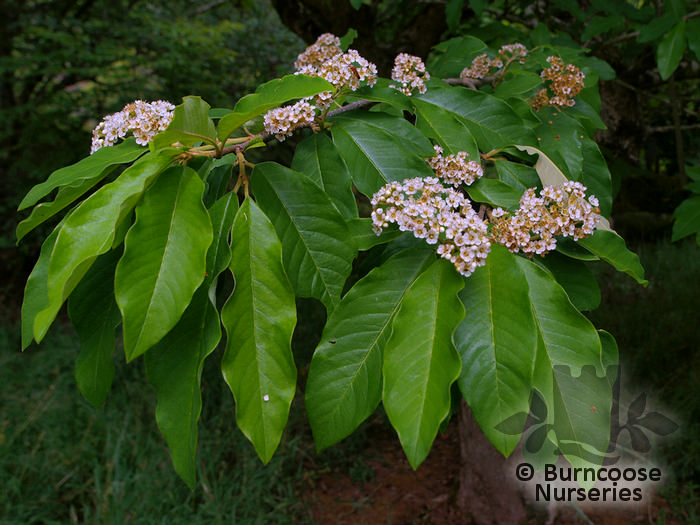
Male has yellowish curly, woolly catkins and the female produces globular orange-red fruits. A handsome shrub the bark of which is used for paper making in Japan
Small


£35.00 each
Full Plant Details - Sun/Soil & other attributes
-
Floweringlocal_floristJanlocal_floristFeblocal_floristMarlocal_floristAprlocal_floristMaylocal_floristJunlocal_floristJullocal_floristAuglocal_floristSeplocal_floristOctlocal_floristNovlocal_floristDec
-
 Pests & Diseases
Canker, leaf spot.
Pests & Diseases
Canker, leaf spot. -
 Place of origin
China, Korea, Japan.
Place of origin
China, Korea, Japan. -
DeciduousUnlobed or deeply-lobed, grey-green leaves to 20cm (8in).
-
Fully hardy
-
 Lobed
Lobed
-
Ovate
-
 Height
8m (26ft)
Height
8m (26ft) -
Spread
8m (26ft)
-
Tall ShrubRounded, suckering shrub. Male flowers with creamy anthers in catkins to 7cm (3in) long. Female flowers develop into edible fruits. Male and female flowers are produced on separate plants.
-
 Pruning group 1
Suitable for: Deciduous and evergreen trees, and some deciduous shrubs.
Pruning group 1
Suitable for: Deciduous and evergreen trees, and some deciduous shrubs.
Pruning: Minimal pruning required. Prune wayward or crossing branches to maintain a healthy framework.
When: When dormant in the late winter/early spring. Some in the summer/autumn to prevent bleeding of sap.
-
 Hardy - cold winter
Hardy in most places throughout the UK even in severe winters. May not withstand open/exposed sites or central/northern locations. Plant can withstand temperatures down to -15°C (5°F)
Hardy - cold winter
Hardy in most places throughout the UK even in severe winters. May not withstand open/exposed sites or central/northern locations. Plant can withstand temperatures down to -15°C (5°F) -
Summer Seasonal Interest
-
Fertile well drained soilModerately fertile
-
 Full sun
Shelter from wind
Full sun
Shelter from wind -
Mature Size8m (26ft)


8m (26ft)
View Detailed Plant Description
View Planting Tips and Care Advice
Broussonetia - Growing Guide


