
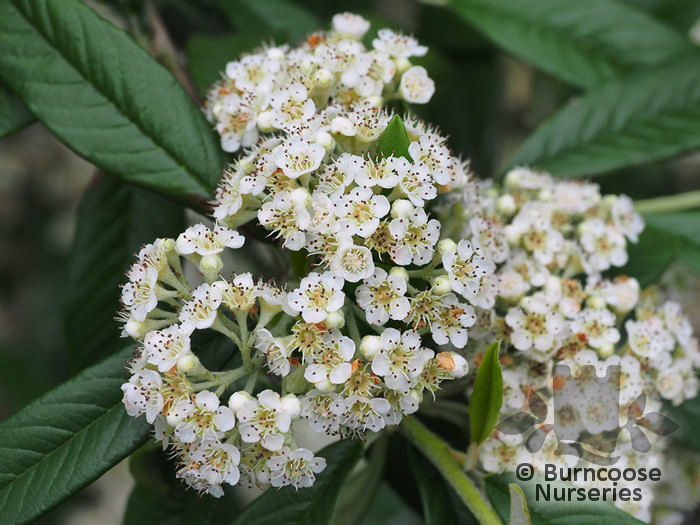
COTONEASTER 'Rothschildianus'
<
>
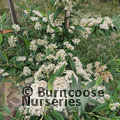
COTONEASTER 'Rothschildianus'
Commonly known as Willow-leaved cotoneaster

Distinctive spreading habit and clusters of creamy-yellow fruits


£14.00 each
MULTIBUY SAVING
Any 3+ £12.00 each
Full Plant Details - Sun/Soil & other attributes
-
Floweringlocal_floristJanlocal_floristFeblocal_floristMarlocal_floristAprlocal_floristMaylocal_floristJunlocal_floristJullocal_floristAuglocal_floristSeplocal_floristOctlocal_floristNovlocal_floristDec
-
BerriesThese plants have berries.
-
 Good to know
Wildlife plant - insects, birds (yellow berries not taken readily by birds)
Good to know
Wildlife plant - insects, birds (yellow berries not taken readily by birds) -
 Pests & Diseases
Aphids, woolly aphids, webber moth caterpillars, scale insects, fireblight, honey fungus.
Pests & Diseases
Aphids, woolly aphids, webber moth caterpillars, scale insects, fireblight, honey fungus. -
 Place of origin
Western China. Garden origin. UK. Exbury, Southampton
Place of origin
Western China. Garden origin. UK. Exbury, Southampton -
EvergreenNarrowly-elliptic, deeply-veined leaves to 10cm (4in) long.
-
BorderSuitable for a shrub border
-
Fully hardy
-
 Entire
-
Elliptic
-
Lanceolate
-
 Height
5m (16ft)
Height
5m (16ft) -
Spread
5m (16ft)
-
Tall ShrubVigorous, arching shrub. Bears flowers in large clusters. Fruits over a long period.
-
 Pruning group 5
Suitable for: Evergreen shrubs that require minimal pruning.
Pruning group 5
Suitable for: Evergreen shrubs that require minimal pruning.
Action: Trim or lightly cut back shoots that spoil symmetry. Deadhead regularly.
When: Annually after flowering.
-
 Hardy - very cold winter
Hardy in all of UK and northern Europe. Plant can possibly withstand temperatures down to -20°C (-4°F)
Hardy - very cold winter
Hardy in all of UK and northern Europe. Plant can possibly withstand temperatures down to -20°C (-4°F) -
Autumn Seasonal Interest
-
Summer Seasonal Interest
-
Winter Seasonal Interest
-
Fertile well drained soilWill tolerate a dry position when established.
-
 Full sun
 for best berry production.
Full sun
Full sun for best berry production. -
 Partial shade
-
 Bird friendly
-
Mature Size5m (16ft)


5m (16ft)
View Detailed Plant Description
View Planting Tips and Care Advice
Cotoneaster - Growing Guide


