
PROTEA
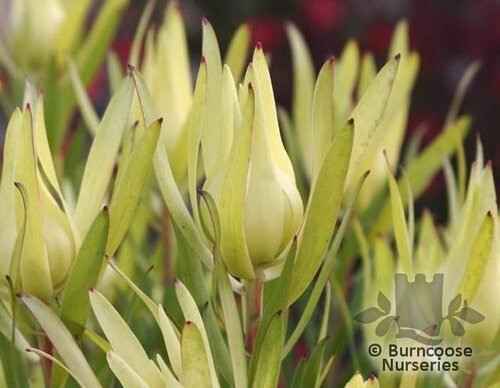


PROTEA
Despite the casualties from any colder winter proteas are much easier to grow than many people imagine and can readily be grown outside in milder areas PROVIDING the soil is very free draining, acidic and low in nutrients (ie no fertiliser containing phosphates). Full sun and a south facing slope would be ideal. To avoid proteas getting wet feet it is helpful to plant them on a raised mound and add bark or grit for improved drainage. See more care details on website
Full Plant Details - Sun/Soil & other attributes
-
Exotic plants
-
 Pests & Diseases
Magnesium deficiency (chlorosis of leaves). Dieback (rooting medium too rich)
Pests & Diseases
Magnesium deficiency (chlorosis of leaves). Dieback (rooting medium too rich) -
 Place of origin
South Africa
Place of origin
South Africa -
Resistant to honey fungusThese plants have little or few problems with honey fungus.
-
Evergreen
-
 Red
Red
-
 Bowl-shaped
-
Half hardy (down to 0)
-
 Entire
-
Oblanceolate
-
 Height
1.5m (5ft)
Height
1.5m (5ft) -
Spread
1.5m (5ft)
-
 Pruning group 1
Suitable for: Deciduous and evergreen trees, and some deciduous shrubs.
Pruning group 1
Suitable for: Deciduous and evergreen trees, and some deciduous shrubs.
Pruning: Minimal pruning required. Prune wayward or crossing branches to maintain a healthy framework.
When: When dormant in the late winter/early spring. Some in the summer/autumn to prevent bleeding of sap.
-
 Tender - cool or frost free greenhouse
Tolerant of low temperatures, but not surviving being frozen. Except in frost-free inner-city areas or coastal extremities requires glasshouse conditions. Plant can withstand temperatures down to 1°C (34°F)
Tender - cool or frost free greenhouse
Tolerant of low temperatures, but not surviving being frozen. Except in frost-free inner-city areas or coastal extremities requires glasshouse conditions. Plant can withstand temperatures down to 1°C (34°F) -
Spring Seasonal Interest
-
Summer Seasonal Interest
-
Neutral to acid soil
-
Well drained, dry, poor to moderately fertile soilPoor soil
-
 Full sun
View Planting Tips and Care Advice
Protea - Care Guide


